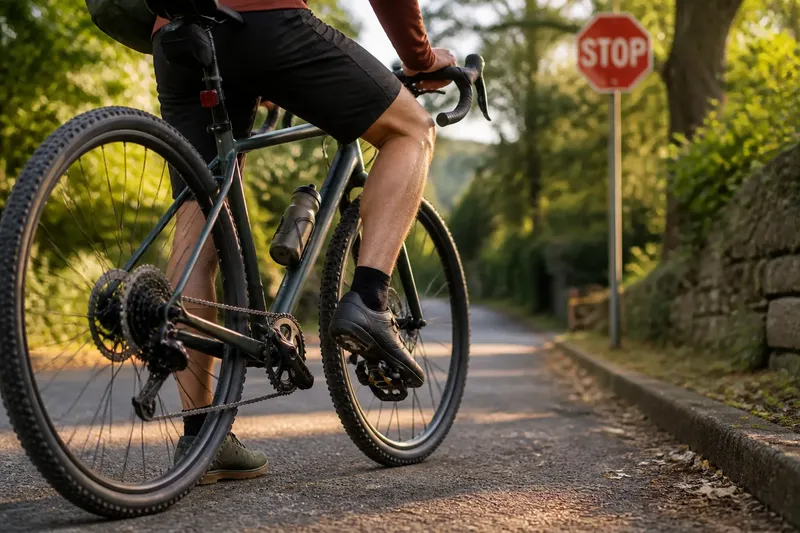
A First Bike Ride After a Long Pause
A first bike ride after a long pause feels easier to shape when you set a clear return point, check the bike, and decide what would make you turn back.
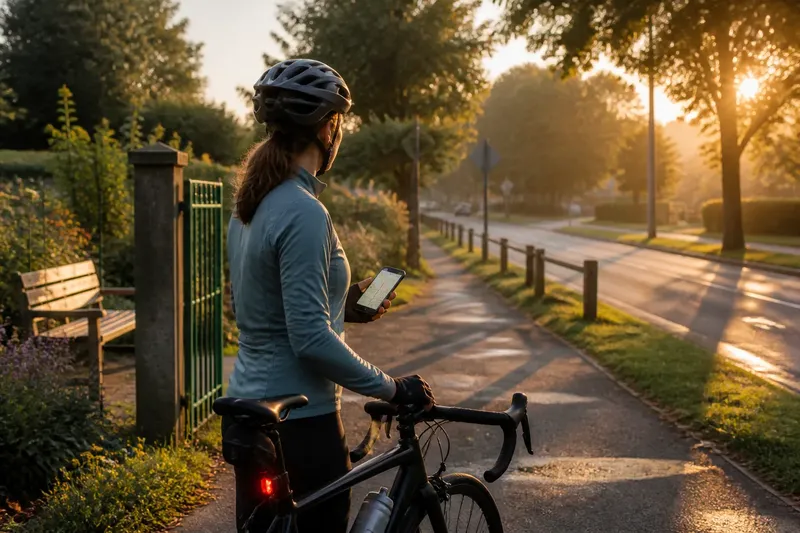
Your helmet is on, the bike is by the door, and the familiar loop past the library suddenly seems longer than you remember. For a first bike ride after a long pause, the most useful plan is not a route comparison but a simple agreement with yourself about how the outing will work: where you can stop, what would make you turn back, and how you will handle the bicycle if something feels off.
What should you decide before leaving?
Choose one nearby destination you can recognize without checking your phone at every turn. It might be a particular bench, a community garden gate, or the far entrance to a schoolyard. The point is to give the ride a natural pause rather than a distance target.
Think through the return before you start. Decide whether you will ride back the same way, and identify a safe place to stop if you need to check directions or settle yourself. Avoid planning to make a decision while crossing a busy street or negotiating a crowded path.
Look over the tires, brakes, chain, lights, saddle, and handlebars. If a part looks damaged, feels loose, or does not work normally, postpone the ride and ask a qualified bicycle mechanic to assess it. A short outing is not a useful way to discover whether a questionable brake will hold.
How can you tell whether the ride is ready to continue?
At the first safe pause, check concrete signs rather than trying to judge the whole outing. Ask whether the route still feels predictable, whether you can ride with attention on the path, and whether your body feels settled enough to continue. One uncomfortable crossing or a change in weather can be reason enough to shorten the plan.
- Bike condition: If the tires look visibly damaged or a brake does not respond normally, do not ride; arrange a mechanic’s assessment instead. If the visual check is reassuring and controls work as expected, proceed cautiously.
- Visibility: If daylight is fading or your lights are not working, head home by the safest available route or postpone; if you can see clearly and your lights function, continue with attention to changing conditions.
- Traffic: If a crossing feels too busy to handle comfortably, stop in a safe place and choose another known way back; if the crossing is manageable under local rules, continue without rushing.
- Comfort: If you feel distracted, uneasy, or ready to stop, turn back or take a safe pause; if you feel settled and attentive, continue only to the next point you already understand.
- Weather: If rain, wind, or poor visibility makes the route uncomfortable, shorten the ride or wait somewhere suitable; if conditions remain manageable, continue while keeping a clear return option.
- Navigation: If you are unsure where the route goes, stop away from traffic and check a map such as Apple Maps or Google Maps; if the return route is clear, keep the phone put away while riding.
What questions help you decide while riding?
Is it fine to turn back early?
Yes. Turning around is an ordinary response to fatigue, distraction, traffic, or a change in the weather, not a judgment on the ride. Choose a safe place to turn or stop, and use the return route you already considered.
Should you continue if the first part feels easy?
You can continue to another nearby point if you feel comfortable, remain alert, and know how you will get home. Do not let an easy start turn into an unplanned stretch on unfamiliar roads.
What should you do if the bike feels wrong?
Move out of the way of other road or path users and stop in a safe spot. If a brake, wheel, or other important part seems faulty, do not continue riding; contact a bicycle mechanic or arrange another way home.
What if you need to check your route?
Stop somewhere clear of traffic before using your phone or a paper map. If the route remains uncertain, choose the simplest known way back rather than trying to solve directions while moving.
How does a small decision change the outing?
Say you have been away from riding for a while and start with a destination at the entrance to a nearby community garden. You arrive feeling calm, but a road beyond the gate is busier than you expected. You stop on the path away from other riders, check the map, decide that the road is not a good extension today, and return by the route you already know; the observable result is a completed outing without adding a crossing you do not feel ready to manage.
Keep the plan modest enough that changing it remains easy. A named pause point, a known return, and a clear reason to stop are more useful than trying to recreate the rides you used to take.
What should you remember for next time?
Once home, note one concrete detail: the crossing that felt busy, the stretch where you settled into riding, or the point where you wanted a break. That observation can guide the next first bike ride after a long pause without turning each outing into a test of progress.
Before your next ride, use that note to make one adjustment: choose a calmer approach, plan an earlier pause, or keep the same simple return. If you felt pain, dizziness, or another concerning symptom, stop and seek appropriate professional advice before riding again.